Hospital Animation - Eremedium
Hospital Animation — Eremedium
In the modern healthcare setting, one of the biggest barriers to quality patient care is communication. Though most of us have interacted with doctors and hospitals, the medical terminology, procedures and treatment pathways are frequently overwhelming for patients and their families. Understanding what’s going on — how a condition affects the body, what a surgery will involve, what the post-treatment recovery will look like — can be stressful, confusing and anxiety-inducing. Recognising this gap, hospital-specific animations have emerged as a powerful tool to bridge the divide between medical professionals and patients.
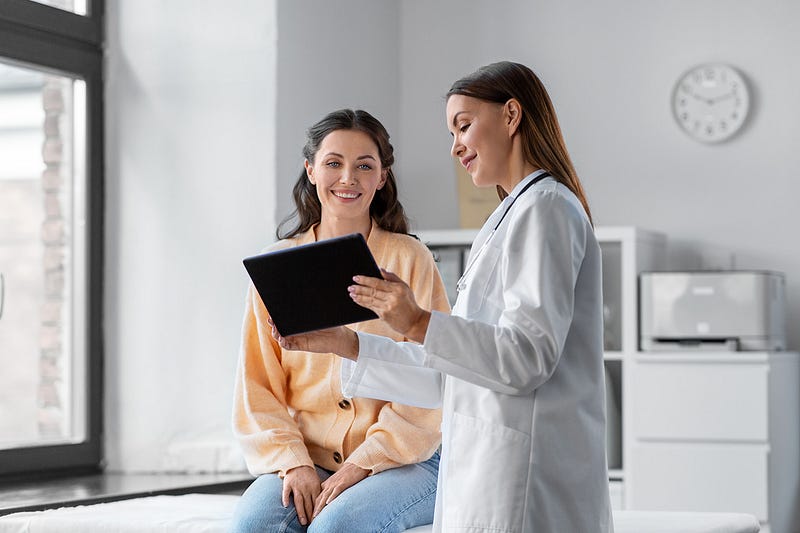
Animations designed for hospitals can translate complex medical information into visually engaging, easy-to-understand formats. Rather than relying solely on abstract explanations or jargon-laden conversations, these animations use visual storytelling to simplify the anatomy, the procedure, the treatment options and the recovery journey.
They make use of 2D or 3D graphics, motion, audio and narrative to help patients grasp what might otherwise remain baffling. According to ERemedium, hospital animations are especially useful in conveying complicated surgeries, conditions, treatment choices and post-treatment care.
One of the primary benefits is simplification. Many patients do not come from medical backgrounds and may struggle when doctors explain the fine details of a procedure or a condition. Visual learning is far more intuitive for many people, and animations can reduce cognitive load — the effort required to process new information — so that a person can understand and retain details more effectively.
As ERemedium points out, visual learning is “always considered the best form of learning new things and understanding complex concepts.”
Another advantage is that hospital animations are both informative and influential. Because they combine narrative and visual elements, they not only deliver information but also help patients remember it and feel more confident about it.
The information conveyed via animation tends to stick better than print brochures or traditional verbal explanation alone. Patients who see structure, movement and visual cues are more likely to feel empowered, ask sensible questions and engage in their care.
Moreover, these animations enable doctors and healthcare professionals to explain medical procedures more clearly. When a physician is describing a surgery, such as a joint replacement or a cardiac stenting, using an animation allows the patient to see the anatomy, the steps, the tools and the expected outcomes in a way that words alone cannot. This enhances patient confidence, trust and the overall consultation experience.
Finally, hospital animations offer the flexibility of being available anytime and anywhere. Once created, they can be accessed on screens in waiting rooms, on tablets during consultations, on a hospital website or shared with patients to view at home. This on-demand accessibility means the patient can revisit the material as many times as needed, thereby reinforcing understanding and supporting informed decision-making.
ERemedium emphasises that when this information is available as animation, “you don’t need a medical or healthcare professional to explain the concepts” and it becomes “much easier for people to access the information.”
ERemedium positions itself as a leader in the field of hospital and medical animations. With a presence in over 3,000 centres and monthly impact on 10 million patients, they work with over 10,000 doctors to create animations that improve patient communication.
Their services include platforms like “MEDIO” (animations displayed in OPD waiting areas), “MEDCOMM” (interactive touchscreen signage with gesture-driven 3D content) and “MEDXPLAIN” (cloud-based animation libraries for doctors).
In summary, hospital animations represent a thoughtful merger of healthcare and media: they transform detailed, complex medical content into digestible, patient-friendly visuals; they empower patients, enhance consultations, and support better outcomes through improved understanding.
For any hospital, clinic or healthcare provider aiming to raise health literacy, increase patient engagement and boost trust, exploring well-crafted animation content — such as that offered by ERemedium — is a strategic and impactful investment.


Comments
Post a Comment